|
|
|
🔹 WHAT'S AN IRONING BOARD?
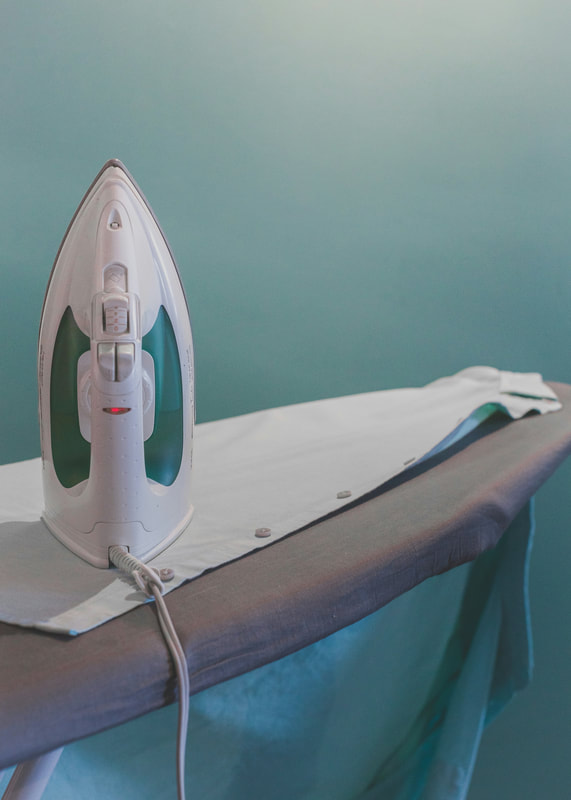
It's just a flat surface you use with an iron to get wrinkles out of your clothes. Usually, it has a metal frame, a padded top, and little holes so the steam can get through.
🔹 TYPES OF IRONING BOARDS
Regular Ones
These are the most common kind.
You can change the height, and the legs fold up.
Lots of times, they have a place to put your iron and something to hold the cord.
Tabletop Ones
Small and easy to move around.
You put them on a table or counter.
Good if you don't have much space or if you're traveling.
Wall-Mounted Ones
You screw these to the wall or inside a closet.
They fold out when you need them and back in when you're done.
Awesome if you want to save space.
Built-in Ones
These are part of a drawer or cabinet.
They slide out.
Look good and don't take up much room.
Over-the-Door Ones
They hang on the back of a door.
Fold down to use and up to store.
🔹 WHAT'S IT MADE OF?
Part What it Is
Board Surface Metal with little holes. It has padding and fabric over it.
Padding Makes it soft; usually foam or felt.
Cover Fabric that bounces heat back; often cotton with a coating.
Legs/Frame Metal tubes that fold up and down, you can change the height.
Iron Rest A spot where you can put your hot iron without burning anything.
Cord Holder Keeps the cord out of your way.
🔹 WHAT IT'S MADE OF
Frame: Metal (light, strong, and doesn't rust easily).
Board Surface: Metal with holes so the steam can escape.
Padding: Felt, foam, or soft, fluffy stuff.
Cover Fabric: Cotton, or something with a coating that reflects heat.
🔹 HOW BIG ARE THEY?
Type Size
Small (Tabletop) About 28 x 12
Medium About 48 x 15
Large About 54 x 18
Extra-Large About 63 x 19
You can usually make them taller or shorter, from about 24 to 38.
🔹 COOL THINGS TO LOOK FOR
Way to Change the Height: So you don't have to bend over so much.
Strong Frame with Legs That Lock: So it doesn't wobble.
Folds Up: Makes it easy to store.
Tray for a Steam Iron: If you have a big steam iron.
Plug: Some fancy ones have an outlet built in.
Heat Cover: Bounces the heat back to iron faster.
Feet That Don't Slip: So it stays in place and doesn't scratch your floor.
Little add-ons for sleeves.
A hook or tray to hold your iron.
🔹 HOW TO PICK THE RIGHT ONE
Think about:
How much space do you have? → Get a wall-mounted or tabletop one if you're tight on space.
How often do you iron? → Get a bigger one if you iron all the time.
What do you iron most? → Look for ones with special features for shirts, sleeves, or sheets.
Do you need to move it around? → Get a light one that folds up.
🔹 IRONING BOARD COVER TIPS
What it's made of: Get thick cotton or something that bounces heat back.
Padding: The more padding, the better.
How it stays on: Elastic, strings, or Velcro work well.
When to change it: When it's worn out, burned, or doesn't work well anymore (usually every year or two).
🔹 STAY SAFE
Always lock the legs before you start ironing.
Don't put anything that can catch fire near the iron rest.
Never leave a hot iron alone on the board.
Only use covers that can handle the heat.
Fold it up and put it away so it doesn't fall over.
🔹 WHERE TO PUT IT
Behind doors: Use hooks.
In closets.
Under beds or couches: If it's small enough.
Inside laundry cabinets.
🔹 KEEP IT CLEAN
Wipe down the frame now and then.
Clean or change the cover if it gets burned or dirty.
Check the screws and bolts to make sure they're tight.
Make sure the legs lock ok.
Keep it in a dry place so it doesn't rust.
🔹 OTHER IDEAS BESIDES IRONING BOARDS
Ironing mats: You can put these on any flat surface.
Garment steamers: Get wrinkles out without a board.
Dry irons with a cloth: Use a towel underneath.
Steam press machines: Like a clamshell.
🔹 THINK GREEN
Some boards are:
Made from recycled stuff.
Have cotton covers without harsh stuff on them.
It's just a flat surface you use with an iron to get wrinkles out of your clothes. Usually, it has a metal frame, a padded top, and little holes so the steam can get through.
🔹 TYPES OF IRONING BOARDS
Regular Ones
These are the most common kind.
You can change the height, and the legs fold up.
Lots of times, they have a place to put your iron and something to hold the cord.
Tabletop Ones
Small and easy to move around.
You put them on a table or counter.
Good if you don't have much space or if you're traveling.
Wall-Mounted Ones
You screw these to the wall or inside a closet.
They fold out when you need them and back in when you're done.
Awesome if you want to save space.
Built-in Ones
These are part of a drawer or cabinet.
They slide out.
Look good and don't take up much room.
Over-the-Door Ones
They hang on the back of a door.
Fold down to use and up to store.
🔹 WHAT'S IT MADE OF?
Part What it Is
Board Surface Metal with little holes. It has padding and fabric over it.
Padding Makes it soft; usually foam or felt.
Cover Fabric that bounces heat back; often cotton with a coating.
Legs/Frame Metal tubes that fold up and down, you can change the height.
Iron Rest A spot where you can put your hot iron without burning anything.
Cord Holder Keeps the cord out of your way.
🔹 WHAT IT'S MADE OF
Frame: Metal (light, strong, and doesn't rust easily).
Board Surface: Metal with holes so the steam can escape.
Padding: Felt, foam, or soft, fluffy stuff.
Cover Fabric: Cotton, or something with a coating that reflects heat.
🔹 HOW BIG ARE THEY?
Type Size
Small (Tabletop) About 28 x 12
Medium About 48 x 15
Large About 54 x 18
Extra-Large About 63 x 19
You can usually make them taller or shorter, from about 24 to 38.
🔹 COOL THINGS TO LOOK FOR
Way to Change the Height: So you don't have to bend over so much.
Strong Frame with Legs That Lock: So it doesn't wobble.
Folds Up: Makes it easy to store.
Tray for a Steam Iron: If you have a big steam iron.
Plug: Some fancy ones have an outlet built in.
Heat Cover: Bounces the heat back to iron faster.
Feet That Don't Slip: So it stays in place and doesn't scratch your floor.
Little add-ons for sleeves.
A hook or tray to hold your iron.
🔹 HOW TO PICK THE RIGHT ONE
Think about:
How much space do you have? → Get a wall-mounted or tabletop one if you're tight on space.
How often do you iron? → Get a bigger one if you iron all the time.
What do you iron most? → Look for ones with special features for shirts, sleeves, or sheets.
Do you need to move it around? → Get a light one that folds up.
🔹 IRONING BOARD COVER TIPS
What it's made of: Get thick cotton or something that bounces heat back.
Padding: The more padding, the better.
How it stays on: Elastic, strings, or Velcro work well.
When to change it: When it's worn out, burned, or doesn't work well anymore (usually every year or two).
🔹 STAY SAFE
Always lock the legs before you start ironing.
Don't put anything that can catch fire near the iron rest.
Never leave a hot iron alone on the board.
Only use covers that can handle the heat.
Fold it up and put it away so it doesn't fall over.
🔹 WHERE TO PUT IT
Behind doors: Use hooks.
In closets.
Under beds or couches: If it's small enough.
Inside laundry cabinets.
🔹 KEEP IT CLEAN
Wipe down the frame now and then.
Clean or change the cover if it gets burned or dirty.
Check the screws and bolts to make sure they're tight.
Make sure the legs lock ok.
Keep it in a dry place so it doesn't rust.
🔹 OTHER IDEAS BESIDES IRONING BOARDS
Ironing mats: You can put these on any flat surface.
Garment steamers: Get wrinkles out without a board.
Dry irons with a cloth: Use a towel underneath.
Steam press machines: Like a clamshell.
🔹 THINK GREEN
Some boards are:
Made from recycled stuff.
Have cotton covers without harsh stuff on them.